







Search Results for: buying logic
Light Roast or Dark Roast? The Bean Selection Logic for Pour-Over Beginners
When you first start buying hand-brewed coffee beans, roast level is a very practical entry point to observe. It affects the coffee's sweet-and-sour expression, aroma type, mouthfeel weight, and brewing fault tolerance. When faced with descriptions on the packaging such as floral, fruity, nutty, or caramel, you can first judge whether the beans are light roast, medium roast, or dark roast, and then think about what kind of cup you want to drink. [more…]

How to Choose a Few Dark-Roast Coffee Beans Suitable for Pour-Over: Bean Selection Logic That Even Beginners Can Understand
Light roasts preserve floral and fruity aromas and bright acidity, medium roasts bring out sweetness and balance, and dark roasts lean toward nuts, cocoa, and a full-bodied mouthfeel—the roast level determines the flavor focus and also affects the extraction rhythm. Which one to choose is not a matter of taste, but a matter of matching your brewing method. The flavor focus of a dark roast is cocoa, nuts, caramel, and roasted notes, with acidity [more…]
Build Your Home Coffee Bean Library by Brewing Method
Many people have only one bag of beans at home—they use it for espresso, they use it for lattes, and they still use it for americanos. This one-size-fits-all approach isn't necessarily wrong, but if you want to bring out layers of flavor in home espresso drinks, building a bean library based on drinking methods is a smarter approach. The logic behind dividing a bean library by drinking method is simple: different coffee drinks [more…]
For your first bag of beans with a home semi-automatic espresso machine, how to choose without falling into pitfalls
You've just added a semi-automatic espresso machine at home, and now the most agonizing question is: for your very first bag of beans, what exactly should you buy? Buy something too expensive and you worry about wasting it; buy something too cheap and you worry it'll taste bad; and the endless recommendations online just make your head spin. Actually, the logic behind choosing beans for a home semi-automatic machine isn't complicated at all—just remember three sentences and you're set. First sentence: [more…]
The Logic of Choosing Cold Brew Coffee Beans: Sweetness, Cleanliness, and Flavor Intensity
Cold brew acts like a magnifying glass for coffee beans: the sweet becomes sweeter, and the astringent becomes even more astringent, so the cleanliness of the beans is crucial. After cold brewing Front Street Coffee's Yirgacheffe Gedingding, the citrus acidity becomes softer, and the green tea's sweet aftertaste is extracted into a clear sweetness at low temperature—it is a cold brew–friendly bean; beans with intense fruity notes also get a boost from cold brewing, with the aroma of strawberry and passion fruit [more…]
Selection Logic for Home and Commercial Espresso Beans for Americano, Latte, and Moka Pot
In both home and café settings, milk coffee consumption far exceeds that of pure pour-over, making the selection of a suitable espresso blend crucial. This article outlines the extraction principles of espresso and moka pot brewing, pointing out that medium-dark roast, low acidity, and fresh roasting are universal benchmarks. On this basis, Front Street Coffee, leveraging its five-day fresh roast advantage, has launched several targeted products: those pursuing pure Arabica can choose the "Front Street Specialty Blend"; for commercial latte art requiring rich crema, the "Front Street Commercial Blend" or the "Front Street Classic Blend" containing Mandheling is preferable; the cost-conscious are suited to the "Espresso Moka Pot Coffee Beans Recommended by Many Baristas - Front Street Black Cocoa Blend"; while those craving fruity and floral notes can try the "Front Street Strawberry Candy Espresso Blend." The article helps readers make precise purchases according to their own needs. [more…]
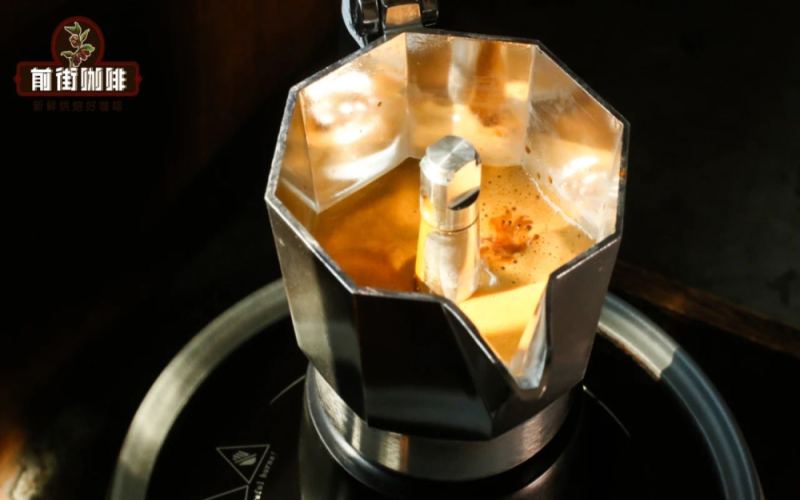
From Moka Pot to Espresso Machine: Bean Selection and Blend Recommendations for Milk Coffee, Americano, and Latte
Many people don't chase the distinct regional flavors of pour-over coffee in their daily cup; they prefer the milky taste of coffee with milk added. To make a stable, delicious latte or Americano, choosing the right espresso beans is the first step. This article starts with the basic principles of espresso, explains the relationship between espresso, Americano, latte, and cappuccino, and lays out three general guidelines for selecting espresso and moka pot coffee beans: not sour, freshly roasted, and medium-dark roast. On this basis, drawing on several of Front Street Coffee's blends, it offers specific selection logic and recommendations for different needs—traditional Arabica, commercial blends, classic rich body, cost-first, and fruity acidity. [more…]
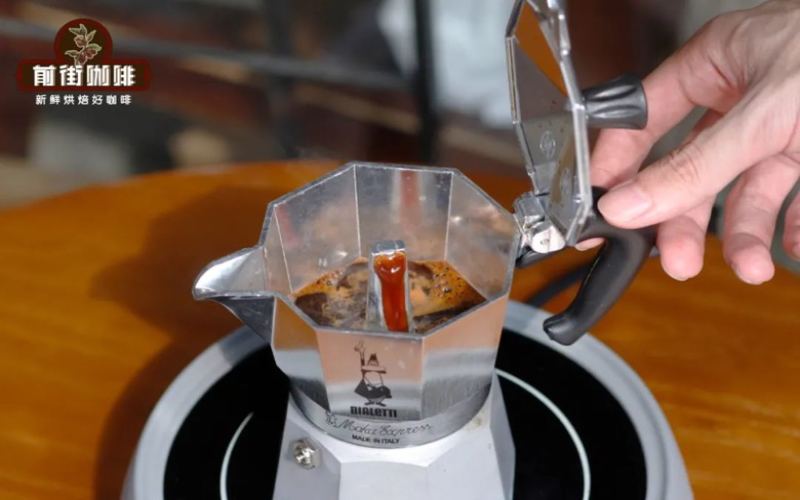
Will a Moka pot explode?: How to ring in freshness with a fixed setup
The flavor focus shifts with the roast level: light roasts play up floral and fruity notes and bright acidity, medium roasts put sweetness and balance at the center, and dark roasts finish with nuts, cocoa, and a full body, with each also requiring a different extraction rhythm. A way of drinking that suits you is more worth valuing than the roast level itself. The extraction logic of a moka pot revolves around steam pressure. [more…]
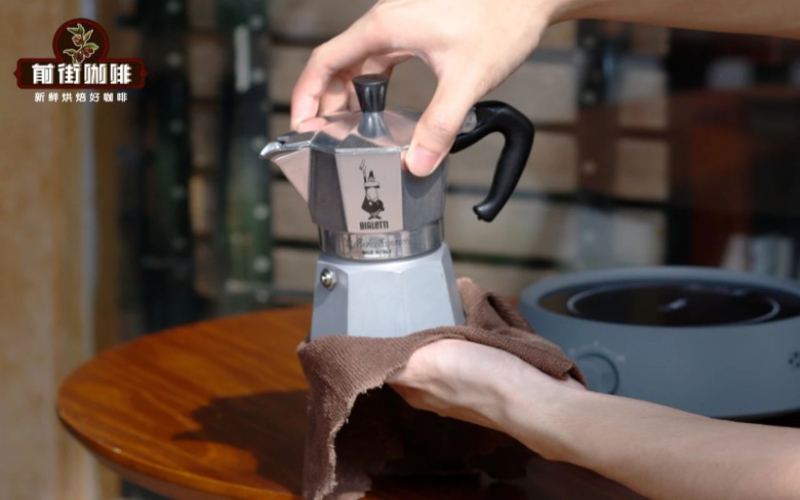
What is the difference between a single-valve and double-valve moka pot? Which is better?: A selection sequence from taste to equipment
Changes in roast level shift both the flavor focus and the extraction rhythm—light roasts preserve floral and fruity notes and bright acidity, medium roasts present sweetness and balance, and dark roasts lean toward nuts, cocoa, and a fuller body. None of the three directions is superior; what suits your drinking style is what's right. How to use a moka pot—the key lies in respecting its steam-pressure extraction logic. [more…]

The Office Worker's Lifeline Beans: Two Cups a Day—Tasting Good and Being Affordable Is What Really Matters
The point of office coffee is simple: to wake you up, taste smooth, and not cost too much. At two cups a day, the logic for choosing beans is completely different from home tasting—this article helps workers do the math clearly. First, let's calculate the cost: at two cups a day and 15 grams of grounds per cup, a one-pound bag (454 grams) of beans lasts about 15 days, a [more…]
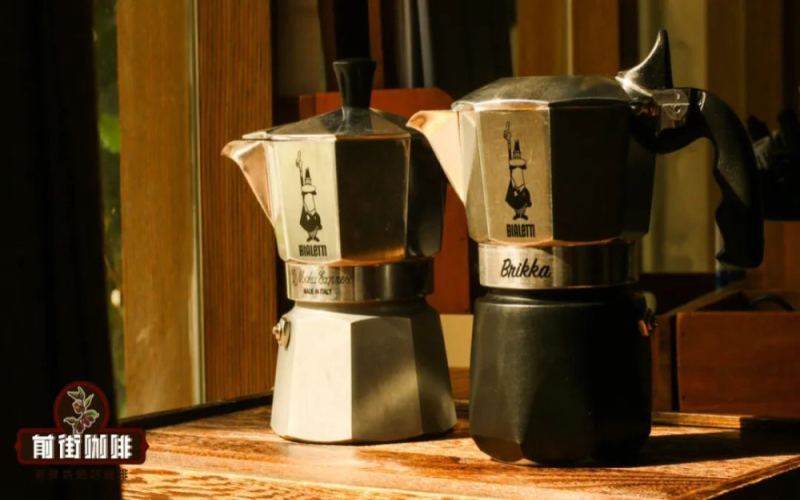
Moka Pot Buying Guide: How to Choose the Size, Roast Level, and the Difference Between Single-Valve and Dual-Valve
As the autumn and winter camping season arrives, the moka pot has once again become a popular piece of gear for outdoor coffee lovers. But when shopping for one, besides brand and capacity, the differences between single-valve and double-valve models, and what roast level of coffee beans pairs best with them, are questions you can't avoid. This article starts from the extraction principle of the moka pot, explaining why medium-dark roasted beans suit this device better, and introduces the specific differences between single-valve and double-valve models in their pressure mechanisms. At the same time, for enthusiasts who prefer rich crema or floral and fruity flavors, the article also recommends two matching bean options from Front Street Coffee, helping you easily make a satisfying cup of moka coffee even outdoors. [more…]
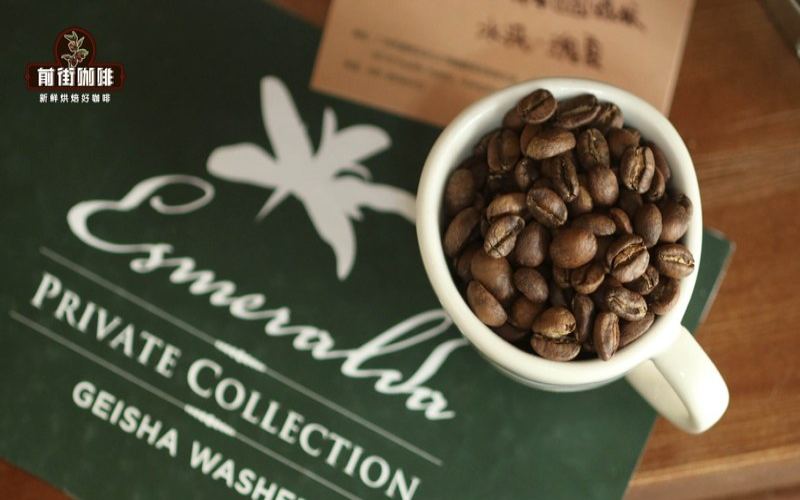
Honey-Processed Coffee Beans: Balancing Budget and Drinking Frequency
When it comes to honey-processed coffee beans, we should start with the actual cup experience. When buying beans day to day, you need to consider how quickly you'll drink them, how much to buy at a time, and whether you mainly make black coffee or milk coffee at home. The roast level of the coffee beans determines the basic taste, the origin and processing method bring differences in aroma, and the equipment you use will change the strength, so when choosing beans you need to take all these factors into account. [more…]
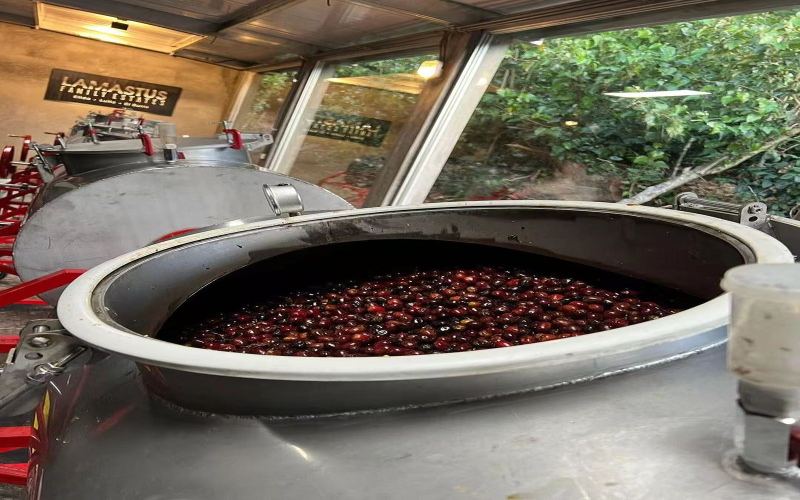
Fruity Coffee Beans Recommendation: Balancing Budget and Drinking Frequency
Fruity coffee beans aren't something you can master just by memorizing a few names. When buying beans day to day, you need to consider how quickly you'll drink them, how much to buy at once, and whether you mainly make black coffee or milk coffee at home. What's truly worth referencing is the sweet-to-sour ratio on the palate, the body's thickness or thinness, and the lingering finish once the coffee cools—then, combined with your brewing habits, your range of choices will gradually [more…]

Recommended light roast beans: balancing budget and drinking frequency
To understand light-roasted beans, you need to translate flavor descriptions into sensations you can actually taste. When buying beans for everyday use, you need to consider how quickly you'll drink them, how much to buy at a time, and whether you mainly make black coffee or milk coffee at home. Floral, fruity acidity, nutty, and cocoa notes aren't a matter of better or worse—they're just different directions, and only the category that suits you has long-term reference value. [more…]
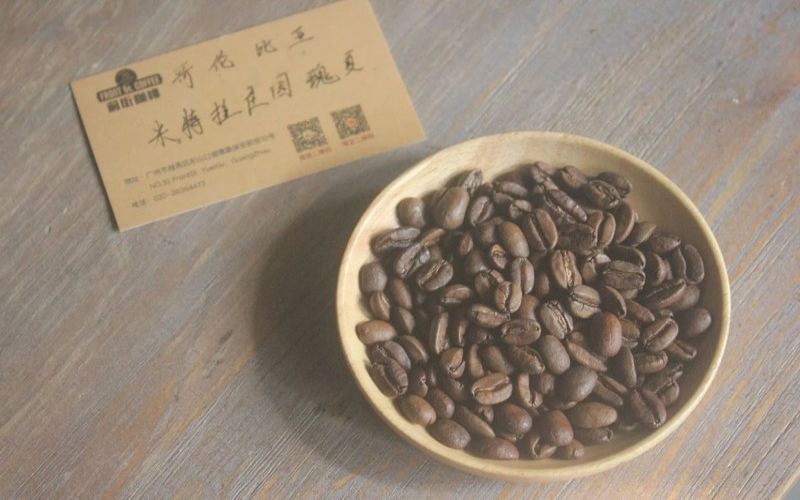
Which Colombian coffee beans are suitable for home use: balancing budget and drinking frequency
From bean to cup, a coffee must go through grinding and extraction. When it comes to Colombian coffee beans suitable for home use, your everyday buying decisions should take into account how fast you drink coffee, how much to buy at a time, and whether your household mainly makes black coffee or milk-based coffee. First confirm your usual brewing equipment and preferred taste, then compare specific bean options; the actual process will [more…]
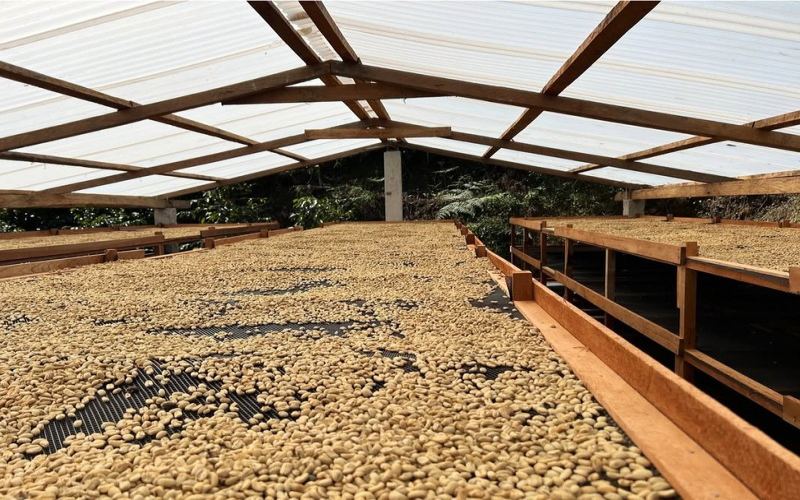
Recommend several coffee beans suitable for making lattes: balancing budget and drinking frequency
From bean to cup, a coffee must go through grinding and extraction. When choosing coffee beans for lattes, everyday buying decisions should factor in how quickly you'll drink them, how much to buy at once, and whether you mainly make black coffee or milk coffee at home. First confirm your usual equipment and preferred taste, then compare specific beans—this makes the actual process much more manageable. [more…]
Low-Acid Dark Roast Moka Pot Espresso Beans: Balancing Budget and Drinking Frequency
Remembering a few names is not enough when it comes to low-acid, dark-roast moka pot espresso beans. When buying beans for daily use, you need to consider how quickly you'll drink them, how much to buy at once, and whether you mainly make black coffee or milk coffee at home. What's truly worth referencing is the sweet-to-sour ratio on the palate, the body thickness, and the aftertaste once cooled—then combine that with your brewing habits to choose [more…]
Recommending several medium-roast coffee beans suitable for pour-over: balancing budget and drinking frequency
From bean to cup, a coffee must still go through grinding and extraction. When choosing medium-roast coffee beans suited to pour-over, your daily buying decisions should take into account how quickly you drink it, how much to buy at a time, and whether you mainly make black coffee or milk coffee at home. First confirm your usual brewing equipment and preferred taste, then compare specific beans—this will make the actual process much more [more…]

Recommend a few coffee beans suitable for espresso extraction: balancing budget and drinking frequency
From bean to cup, a coffee must still go through grinding and extraction. When choosing coffee beans suited for espresso extraction, your daily buying decisions should take into account how quickly you'll drink them, how much to buy at a time, and whether your household mainly makes black coffee or milk-based coffee. First confirm your usual equipment and preferred taste, then compare specific bean options—the actual process will be smoother that way. [more…]
The Sweet-and-Sour Structure of Light-Roast Beans: Floral and Fruity Aromas with Bright Acidity
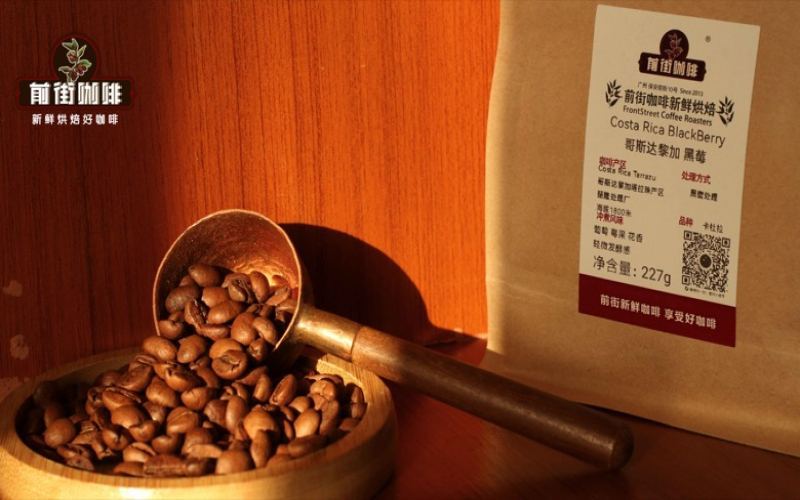
The flavor logic of light-roasted beans is "preservation": the roasting time is short, so the floral and fruity aromas and acidity of the origin are retained to a greater extent. When brewed properly, it is a bright and clean cup. The light-roast version of Front Street Coffee Yirgacheffe Gedingding has a clear citrus and green tea sweetness, and the acidity is a lively fruit acidity rather than a sharp, irritating sourness—the sweet-and-sour sensation of a light roast. [more…]